
Riding with Heart and Warmth: Dana Cooke’s Journey in Eventing
From a childhood in British Columbia surrounded by horses to representing Team Canada on the international stage, Dana Cooke’s journey is an example of resilience, passion, and determination. Now based in North Carolina, Dana has built a career in three-day eventing, an equestrian sport that demands skill in dressage, cross-country, and show jumping. Alongside medals and milestones, her story is one of perseverance through injury, dedication to her horses, and embracing tools (like ororo) that keep her performing at her best, no matter the weather.
Highlights
-
Canadian roots, U.S. base: Grew up in B.C., now lives and trains in North Carolina.
-
Eventing star: Represented Canada at the World Championships and won Pan Am Games team bronze in 2019.
-
Resilient competitor: Came back from a broken pelvis in just 8 weeks.
-
Equestrian lifestyle: Helps run Kingfisher Park, which currently has 27 horses.
-
Cold-weather challenge: “If you ask my team, I’m a bit whiny when it’s cold!”
-
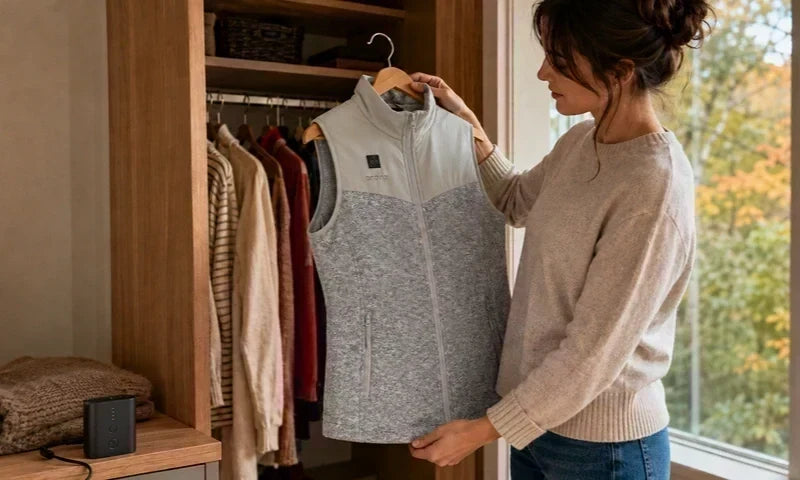
Favorite ororo piece: Women’s Classic Heated Vest (thin, durable, and perfect for riding).
-
Game-changing moment: Stayed warm at a freezing Florida competition while everyone else shivered.
-
Advice to young riders: Work ethic and belief in yourself matter as much as talent.
Q&A with Dana Cooke
Here’s our full Q&A with Dana, where she shares her journey, challenges, and favorite gear.
Q: Can you introduce yourself to our readers?
A: My name is Dana Cooke, and I ride for Team Canada, even though I live in the U.S. I’ve represented Canada at the World Championships and the Pan American Games, where in 2019 we won a team bronze medal. I compete in three-day eventing, which is basically an equestrian triathlon: dressage, cross-country, and show jumping.

(Photo credit: Cassidy Brooke)
Q: Where are you from originally, and where do you live now?
A: I’m Canadian. I grew up in British Columbia, but I’ve been living in North Carolina for about 17 years. I’m now a dual citizen. I go back to Canada to visit family, but my life, training, and competitions are here in North Carolina. Plus, I’m not a fan of winter!
Q: When did you start riding?
A: I started riding around four years old. My stepdad was a cowboy, so I grew up around horses. I did Pony Club, some rodeo, and then I shifted into English riding and jumping, which I loved. By my teens, I was focused fully on eventing.
Q: What’s your favorite phase of eventing?
A: Cross-country is my favorite. It’s faster-paced, with natural obstacles, ditches, and water jumps. It has the most adrenaline!

Q: How did you build your career in eventing?
A: Pony Club gave me my start, and I was lucky to have a great coach back in Canada who took me under her wing. I got to ride a lot of horses, travel to big competitions, and that gave me the bug. At 20, I packed up and moved to North Carolina to work for another Canadian rider. I thought it would be for a year, but I never left.
Q: What have been the biggest challenges in your career?
A: Injuries and money. Horses are expensive, and there were definitely times I struggled to make it work, but I wanted it badly enough to push through. If you want something bad enough, you just have to believe that it’s going to work out and you keep working, keep trying to find ways to make it work.
I’ve had some major injuries: in 2015, I broke my pelvis in three places after a fall and spent 20 days in hospitals and rehab. It was very painful. Doctors said it would take three months before I could ride, but with strict rehab, I was back sitting on a horse in just eight weeks. I’ve also had concussions and broke my collarbone, which required surgery. Injuries sideline you physically and mentally, but I’ve been fortunate to have a great support system around me.
Q: Tell us about your work at Kingfisher Park Equestrian.
A: I’ve worked at Kingfisher Park in Mooresville for 11 years. I helped build up the business from scratch, and even though I don’t own it, it feels like my own program. I teach and ride.
Q: How does cold weather affect your routine as an eventer?
A: We have to ride, rain or shine. Competitions don’t stop for the weather. Winters in North Carolina are mild compared to Canada, but it’s still damp and cold, which I don’t handle well. I always wear my ororo Heated Vest, often layered under my Heated Jacket. It keeps my core warm, which is essential since you’re sweating, cooling down, and going back outside all day. Honestly, if you ask my team, I’m a bit whiny when it’s cold!

(Photo credit: Cassidy Brooke)
Q: How did you first discover ororo?
A: Instagram! A few years ago, I saw a sale and thought, “This sounds amazing.” I bought a vest on impulse, and it turned out to be the best Instagram purchase I’ve ever had.
Q: Which pieces do you own, and which is your favorite?
A: I have multiple classic heated vests, a heated down vest (which is the one that I use for “non-horsey” things, two classic heated winter jackets, heated gloves, and heated socks. My favorite is definitely the padded vest: it’s thinner, less bulky for riding, and the material is tough enough for daily barn life. I wear it every day in the cooler months.
Q: How has heated apparel impacted your performance?
A: It’s made a huge difference in my life. It’s been life-changing. I don’t function well in the cold, and before ororo, I wore so many layers that I felt bulky. Now I can ride comfortably without losing mobility. I also have low blood pressure, so I get cold easily. Honestly, I couldn’t do winter without it.

(Photo credit: Cassidy Brooke)
Q: Do you remember a specific moment when heated apparel made a big difference?
A: Yes! At a competition in Florida. It was November, 40 degrees, and raining. Nobody expected cold weather, but I had my Heated Vest. People kept noticing the light on my vest and asking about it. I’d let them stick their hands in my pockets, and they were amazed. Everyone else was freezing, but I was comfortable!
Q: Who would you recommend ororo heated gear to?
A: Honestly, everyone. Especially horse people… Riders spend hours outside in the cold, and this gear makes all the difference. I’ve bought vests for my family, too. They all have one. It’s the best Christmas gift!
Q: Any advice you’d give to younger riders or athletes?
A: This is a tough sport, and honestly, any sport at a high level is tough. But if you really want it, keep going. There will be hard times, but if you combine a little talent with a lot of work ethic, and you believe in yourself, you can find a way to make it happen. Keep chasing your dreams!
Why Her Story Inspires
For Dana Cooke, eventing is more than a sport. It’s a lifelong passion that has taken her from Pony Club beginnings to international competitions. Along the way, she’s faced challenges with determination, built a thriving equestrian community in North Carolina, and learned the value of riding smart and never giving up. Whether she’s competing or teaching the next generation of riders, Dana embodies the spirit of perseverance. And with ororo heated gear as part of her daily routine, she’s proving that the right tools can make all the difference in chasing big dreams, even on the coldest days.